CREATINE BLOATING: WHY IT HAPPENS, HOW LONG IT LASTS, AND HOW TO FIX IT
Creatine monohydrate is one of the most studied and effective sports supplements available, but the bloating and water retention that some users experience during loading phases and sometimes ongoing use is a real and common concern. Understanding exactly why creatine causes bloating in some people, why it does not in others, and what practical strategies reliably reduce it without sacrificing the performance benefits is the information most creatine users need and rarely get.
WHY CREATINE CAUSES WATER RETENTION AND BLOATING
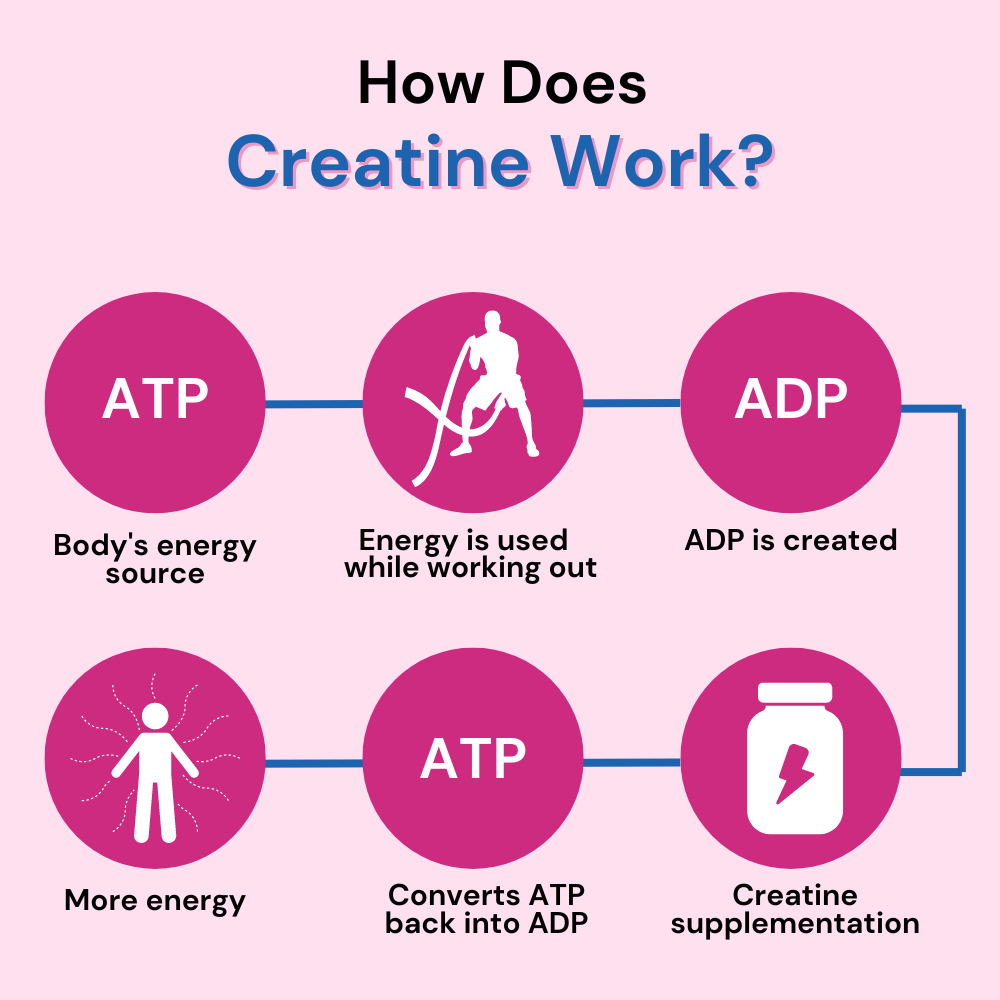
Creatine is an osmotically active compound, meaning it draws water into the cells and tissues where it is stored. When creatine is loaded into muscle cells, it pulls intracellular water along with it. This is the mechanism behind the rapid weight gain of one to three kilograms that most users experience in the first week of loading. This water is stored inside muscle cells, which is where you want it for the volumizing effect that contributes to the strength and power improvements creatine produces.
The bloating sensation, however, typically comes from a different mechanism: gastrointestinal water retention from unabsorbed creatine sitting in the gut. When creatine is consumed in doses that exceed the absorption rate of the small intestine, the excess remains in the gut lumen and draws water osmotically into the intestinal space. This creates the distension, heaviness, and bloating sensation that most users attribute to creatine loading.
THE LOADING PHASE IS THE BIGGEST CULPRIT
The traditional creatine loading protocol of 20 to 25 grams per day for five to seven days, split into four or five daily doses, exceeds intestinal creatine absorption capacity even when split across the day. Significant unabsorbed creatine reaches the lower intestine and produces the osmotic diarrhea and bloating that makes loading protocols uncomfortable for many users.
Research comparing loading versus gradual saturation protocols consistently finds that taking three to five grams daily without a loading phase produces equivalent creatine muscle saturation within three to four weeks without the gastrointestinal side effects. If you are experiencing creatine bloating from a loading protocol, the most straightforward fix is to stop the loading phase and switch to a daily maintenance dose of three to five grams. The bloating resolves within days and the performance benefits are ultimately identical.
DOSE SIZE AND TIMING: THE TWO MOST IMPORTANT VARIABLES
Even without a formal loading phase, taking a full daily dose of five grams in a single serving can cause mild bloating in sensitive individuals whose intestinal absorption rate is slower than average. Splitting the daily dose into two portions of two to three grams each, taken at different times of day, reduces the peak intestinal creatine concentration and minimizes osmotic gut water retention.
Post-training timing reduces bloating for some users because exercise increases intestinal creatine transporter expression, improving absorption capacity when creatine is consumed in the post-workout window. Taking three to five grams of creatine immediately after training rather than pre-workout or at random times throughout the day combines the performance benefit of the timing advantage with reduced gastrointestinal exposure time.
CREATINE FORM: MONOHYDRATE VS ALTERNATIVES
Creatine monohydrate is the most studied form and the one with the strongest evidence base for performance benefits. Various alternative forms including creatine hydrochloride (HCl), creatine ethyl ester, and buffered creatine have been marketed with claims of better absorption and reduced bloating. The clinical evidence for meaningful superiority over monohydrate in either performance or gastrointestinal tolerability is limited for most alternatives.
Creatine HCl is the exception with some evidence of better water solubility than monohydrate and user reports of reduced bloating at equivalent doses. If monohydrate consistently causes gastrointestinal distress despite dose splitting and timing optimization, creatine HCl at one to two grams daily is a reasonable alternative to trial. The dose is lower because the higher solubility improves absorption efficiency relative to monohydrate.
HYDRATION AND ITS ROLE
Adequate hydration is important when using creatine because the intracellular water-drawing mechanism that drives creatine’s performance benefits also increases total body water turnover. Inadequate hydration can exacerbate the osmotic imbalance that drives gastrointestinal water retention and bloating. Drinking an additional one to two glasses of water with each creatine dose helps dilute the gut lumen concentration and reduces the osmotic gradient responsible for intestinal bloating.
The hydration approach aligns with the broader strategy of managing gastrointestinal distress through fluid dilution. Athletes who take creatine in concentrated supplement stacks with multiple osmotically active compounds simultaneously often experience worse bloating than those taking creatine in water alone. Simplifying the post-workout supplement timing to separate osmotically active compounds reduces the combined gut osmotic load.
DIETARY STRATEGIES ALONGSIDE CREATINE
Herbal teas with proven digestive benefits can meaningfully reduce creatine-related bloating when taken alongside the supplement. Ginger tea accelerates gastric emptying and reduces intestinal smooth muscle spasm. Peppermint tea provides antispasmodic relief for gut cramping. Fennel tea addresses the gas component through carminative mechanisms.
Taking one of these teas 30 minutes after your creatine dose on days when bloating is a concern provides ongoing digestive support rather than reactive management. Building these teas into the post-training recovery routine addresses creatine-related gut discomfort as part of a broader digestive health strategy rather than treating it as a separate problem requiring separate intervention.
THE LOADING PHASE: NECESSARY OR COUNTERPRODUCTIVE?
The original rationale for creatine loading was to saturate muscle creatine stores faster, achieving performance benefits in five to seven days rather than three to four weeks. Subsequent research has confirmed that the performance outcome at 30 days is identical whether you load or not. The only difference is how quickly you reach saturation. For most athletes who are not competing within days of starting creatine, this speed difference is irrelevant and the loading phase costs more in gastrointestinal side effects than it gains in practical benefit.
Elite athletes beginning creatine immediately before a competition block where rapid benefits are needed represent the specific use case where loading might justify the side effect cost. Even in this scenario, beginning creatine earlier to allow gradual saturation is almost always a more manageable approach. The loading phase is a holdover from early creatine research protocols that has been retained in supplement marketing despite evolving evidence that it is unnecessary for most practical applications.
DISTINGUISHING CREATINE WATER RETENTION FROM FAT GAIN
The rapid weight gain of one to three kilograms in the first week of creatine use is water stored inside muscle cells, not fat accumulation. This distinction is important for athletes who track body weight as a performance or aesthetic metric. The weight gain from creatine loading is functional: it represents increased intracellular hydration in working muscle, which is associated with the training performance improvements creatine produces rather than being independent of them.
The bloating sensation, which is different from this functional weight gain, comes from gastrointestinal water retention as described above and typically resolves within two to three weeks of consistent use as the gut adapts to regular creatine transit. Athletes who have been using creatine consistently for more than a month and still experience significant bloating are likely dealing with a dose, timing, or form issue rather than an inevitable side effect of creatine use itself.
FINAL WORDS
Creatine bloating is real, it is manageable, and it should not be a reason to abandon one of the most evidence-backed performance supplements available. The fix is almost always one of three things: eliminate the loading phase and use three to five grams daily from the start, split the daily dose into two smaller servings rather than taking it all at once, or improve post-dose hydration. For persistent sensitivity, creatine HCl at a lower dose is a well-tolerated alternative. Digestive support teas taken alongside creatine address the gastrointestinal component without interfering with the supplement’s performance mechanisms. The performance benefits of creatine, confirmed across hundreds of trials, are too significant to forgo because of a manageable side effect that almost always resolves with simple protocol adjustments.
Certified strength and conditioning specialists with over 10 years of combined experience in powerlifting, nutrition coaching, and evidence-based fitness content. Based in New York City, the Genghis Fitness team tests every protocol in the gym before writing about it.