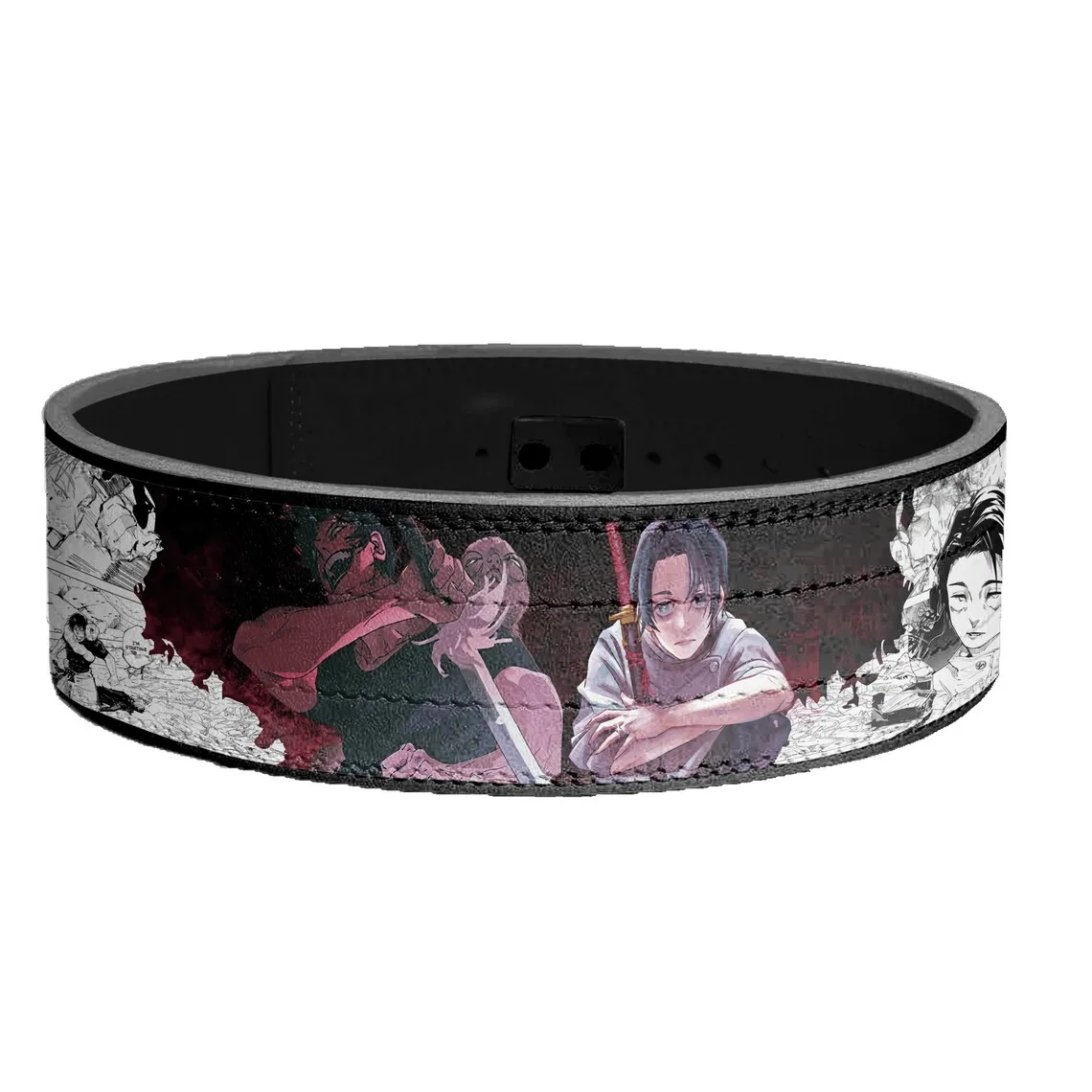
HOW TO WEAR A LIFTING BELT: THE COMPLETE GUIDE TO POSITIONING, TENSION, AND BRACING TECHNIQUE
Wearing a lifting belt correctly is not intuitive. Most athletes who begin training with a belt have never received specific instruction on where to position it on the torso, how tight to cinch it, or how to actively brace against it to produce the intra-abdominal pressure increase that makes belt use mechanically beneficial. The result is athletes who wear a belt that provides only a fraction of its available protective benefit because the positioning is off by an inch, the tension is too loose to allow meaningful bracing, or the breathing and bracing technique that generates IAP is never executed deliberately. This guide covers every step of correct belt use from positioning through bracing through the lift itself.
WHAT A LIFTING BELT ACTUALLY DOES: THE IAP MECHANISM
The fundamental mechanism of a lifting belt is not that it restricts the torso or provides external structural support to the spine. It works by giving the core musculature a rigid circumferential surface to actively brace against. When the lifter takes a deep breath and braces the abdominal muscles outward against the belt, the resulting increase in intra-abdominal pressure acts as a hydraulic internal cushion that supports the lumbar spine from inside the body cavity. Research on intra-abdominal pressure and belt mechanics consistently demonstrates IAP increases of 30 to 40 percent with a properly fitted, actively braced belt compared to unbelted lifting at equivalent loads. This IAP increase directly reduces the compressive force on lumbar discs and facet joints per unit of external loading, which is the primary mechanism by which belts protect the spine during heavy compound lifting.
POSITIONING: WHERE TO WEAR THE BELT ON YOUR TORSO
POSITIONING FOR SQUATS
The correct belt position for squatting is at or just above the iliac crest, centered on the torso with the buckle or lever in front. The belt at this position should cover the lumbar vertebrae posteriorly and the lower abdomen anteriorly. Some athletes with longer torsos position the belt one to two centimeters above the iliac crest to ensure it does not contact the hip bones at the bottom of the squat. Experiment across several training sessions to find the position that provides maximum lumbar contact without creating iliac crest pressure at the deepest squat position you train to.
POSITIONING FOR DEADLIFTS
For deadlifts, many athletes wear the belt one to two centimeters lower than their squat position. The starting position of a conventional deadlift involves significant hip flexion that can cause the top edge of a belt positioned for squatting to dig into the lower ribs or create uncomfortable pressure against the thoracolumbar junction when the lifter leans forward to grip the bar. A slightly lower position avoids this contact while maintaining the lumbar coverage that provides protective support throughout the pull. If you train both squats and deadlifts in the same session with a lever belt, you may find that a single position works adequately for both lifts. With a prong belt, adjusting by one hole between exercises is simple.
HOW TIGHT SHOULD A LIFTING BELT BE
Tension is the most commonly miscalibrated belt variable among athletes new to belt use. Too loose and the belt provides only passive circumferential contact that does not allow meaningful active bracing. Too tight and the belt prevents the abdominal expansion necessary to take a full breath before each set, which undermines the bracing mechanism rather than supporting it. The correct tension allows the belt to make firm contact around the full circumference of the torso when a full breath is taken and the core is braced outward. The belt should feel snug but not restrictive at rest and should create a firm, solid resistance to bracing pressure during active engagement. If you cannot take a full breath into your belly with the belt on, the belt is too tight.
THE BRACING TECHNIQUE THAT ACTIVATES THE IAP BENEFIT
The bracing technique that activates the IAP mechanism is the most important technical skill in belt use and the one that most athletes never develop deliberately. The correct sequence before every heavy rep: with the belt positioned at the correct torso location and the load under control, take a full breath into the belly and lower back simultaneously. This breath should visibly and physically expand the torso in all directions, not just the chest. Once the belly is filled with air and the torso is expanded in all directions, brace the abdominal muscles outward with maximum deliberate force against the belt, as if bracing to absorb a punch to the stomach. This is the active bracing phase that generates the IAP increase. Hold this brace from liftoff through the most demanding portion of the lift before releasing at lockout.
BELLY BREATHING VS CHEST BREATHING: THE CRITICAL DIFFERENCE
A common error is breathing into the chest rather than the belly. Chest breathing expands the ribcage upward rather than the abdominal cavity outward, which does not expand the area that the belt contacts and does not load the core musculature against the belt in the way that produces the IAP increase. Practice belly breathing without the belt by lying on your back and placing a hand on the lower abdomen. Breathe so that the hand rises on the inhale. Once this pattern is established, practice it standing with the belt on before adding it to your training sets. Athletes who master belly breathing before their first belted session get the IAP benefit from the first session rather than spending weeks using the belt incorrectly before accidentally discovering correct technique.
PRACTICE BRACING ON EVERY WARM-UP SET
The bracing pattern described above should be practiced consistently on every warm-up set, even at light weights where the spinal protection benefit of the brace is not needed. The goal of this practice is to make the bracing pattern completely automatic by the time the heavy working sets begin, so that cognitive focus can be directed entirely toward the technical demands of the lift rather than toward the breathing and bracing sequence. Athletes who only attempt correct bracing on their heavy sets and breathe passively on warm-up sets never fully automate the pattern and find it inconsistently executed on the sets where it matters most.
APPLICATION SEQUENCE FOR LEVER AND PRONG BELTS
For lever belts, the application sequence is: open the lever, position the belt at the correct torso location, close the lever with firm pressure until it clicks into the locked position, then verify the closure is secure before adding the bracing breath. For prong belts, thread the belt tail through the buckle frame, engage the prong in the correct hole, and verify the prong is fully seated before proceeding. With the Genghis Fitness 10mm lever belt, this process takes approximately five seconds. With the powerlifting leather belt prong version, allow 15 to 30 seconds for threading and verification. Both closures deliver identical tension when correctly applied at the same belt position.
WHEN TO WEAR THE BELT AND WHEN TO TRAIN WITHOUT IT
Use the belt for all sets at 80 percent of training maximum and above on compound lifts where significant spinal loading occurs: squats, deadlifts, good mornings, overhead press, and heavy barbell rows. Below 80 percent of maximum, train without a belt to develop the intrinsic core strength that makes belted training most effective and to maintain the motor patterns that protect the spine during unloaded and lightly loaded movements in training and daily life. Pair the belt with knee sleeves throughout every lower body session and knee wraps for maximum effort squat days. On deadlift days, lifting straps eliminate grip as a limiting variable so that the posterior chain rather than the forearms determines when the set ends.
FINAL WORDS
Wearing a lifting belt correctly is a skill that takes several training sessions to develop but produces immediate and measurable improvements in the training quality and spinal safety of every heavy set once it is mastered. Position it correctly at the iliac crest level for squatting or slightly lower for deadlifts. Set the tension so that full belly breathing is possible. Brace the core outward against the belt with deliberate maximum force before every heavy rep. Practice this sequence on every warm-up set until it is fully automatic. The Genghis Fitness 10mm lever belt and neoprene weightlifting belt are built to provide the bracing surface that makes this technique most effective. Learn to use them correctly and they will protect your spine and improve your lifting performance on every heavy set for years to come.
Certified strength and conditioning specialists with over 10 years of experience in powerlifting, nutrition, and evidence-based fitness content. Based in New York City.
For more on every type of weightlifting belt, sizing guide, and training recommendation, visit the weightlifting belt guides covering leather, lever, neoprene, and nylon options alongside how-to guides and care instructions.