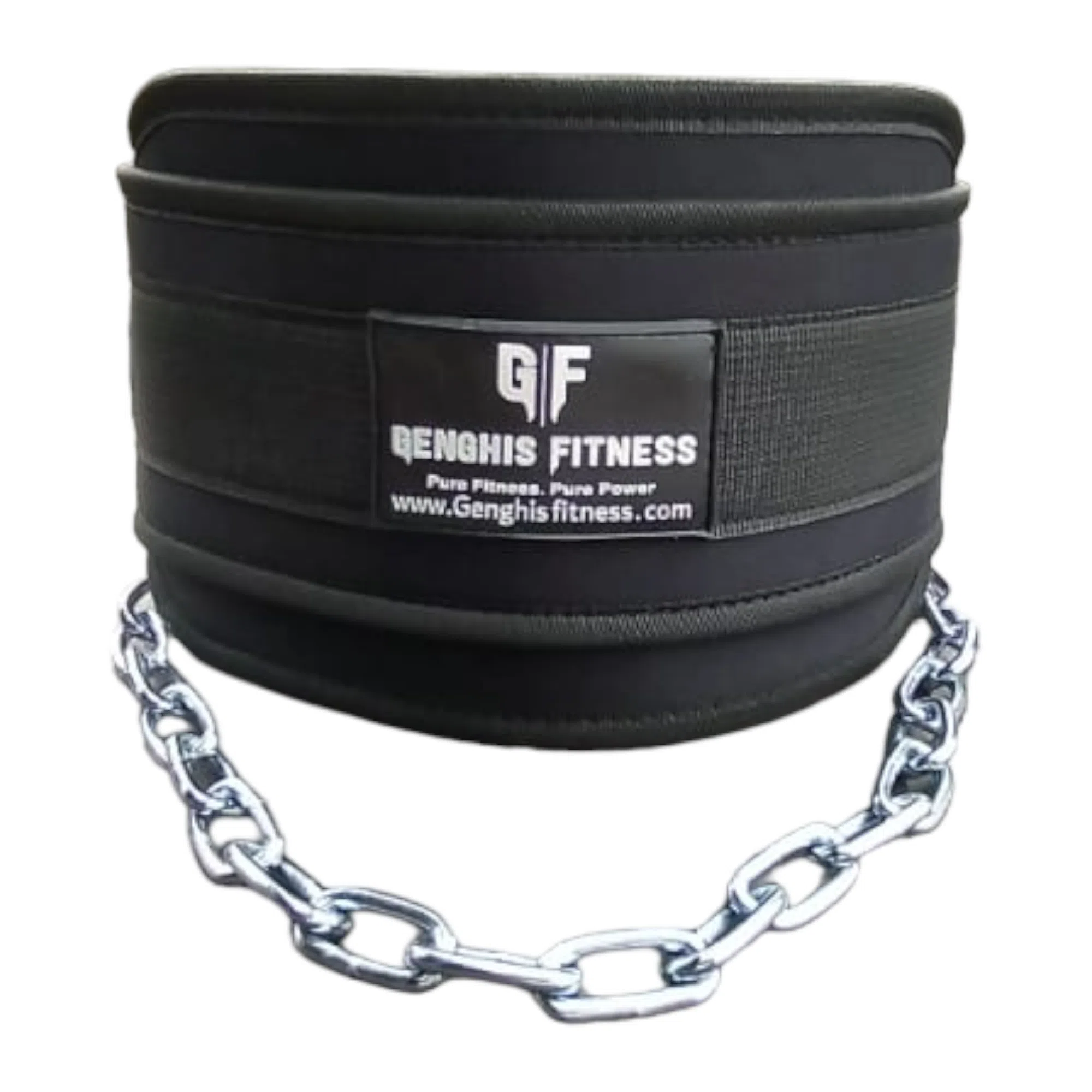

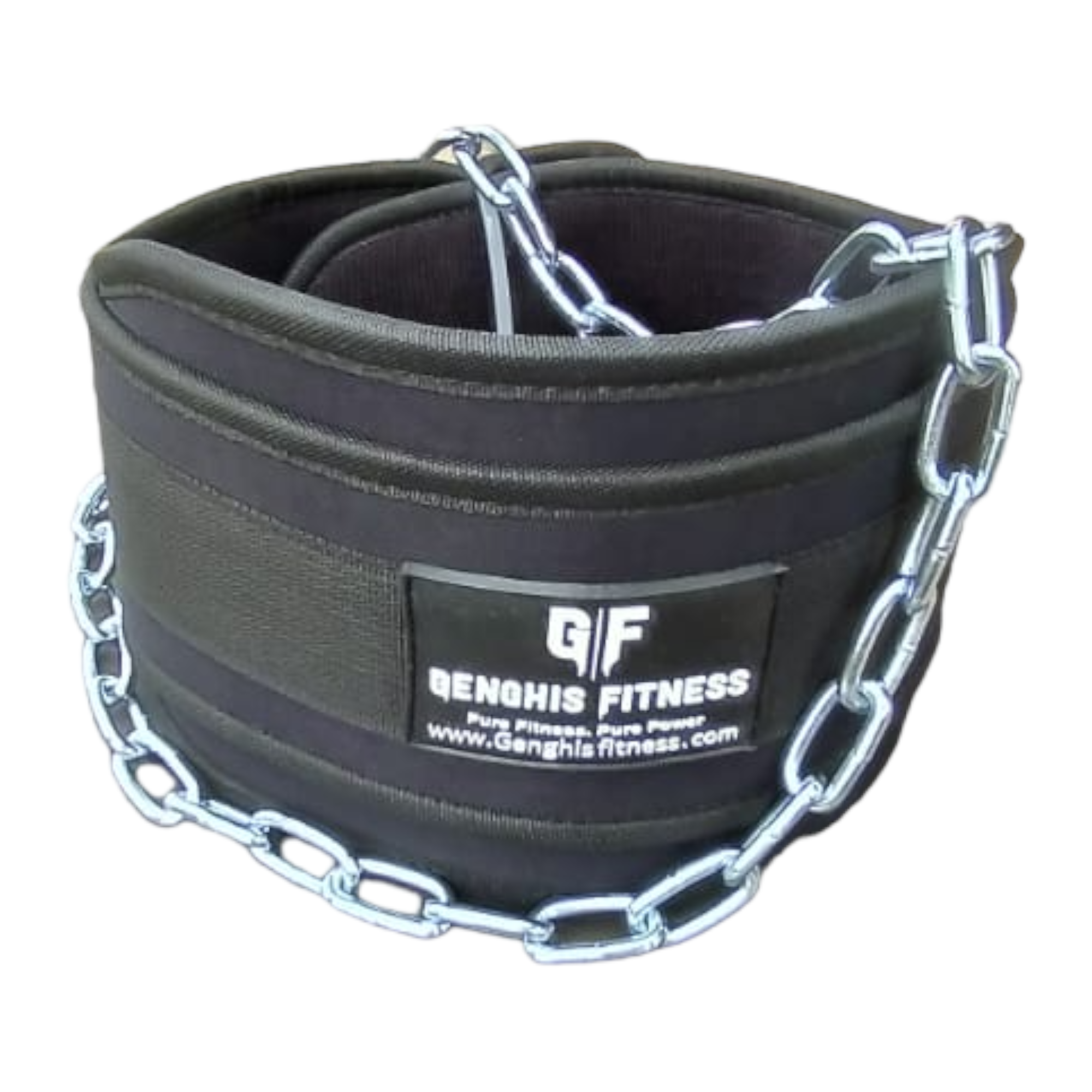
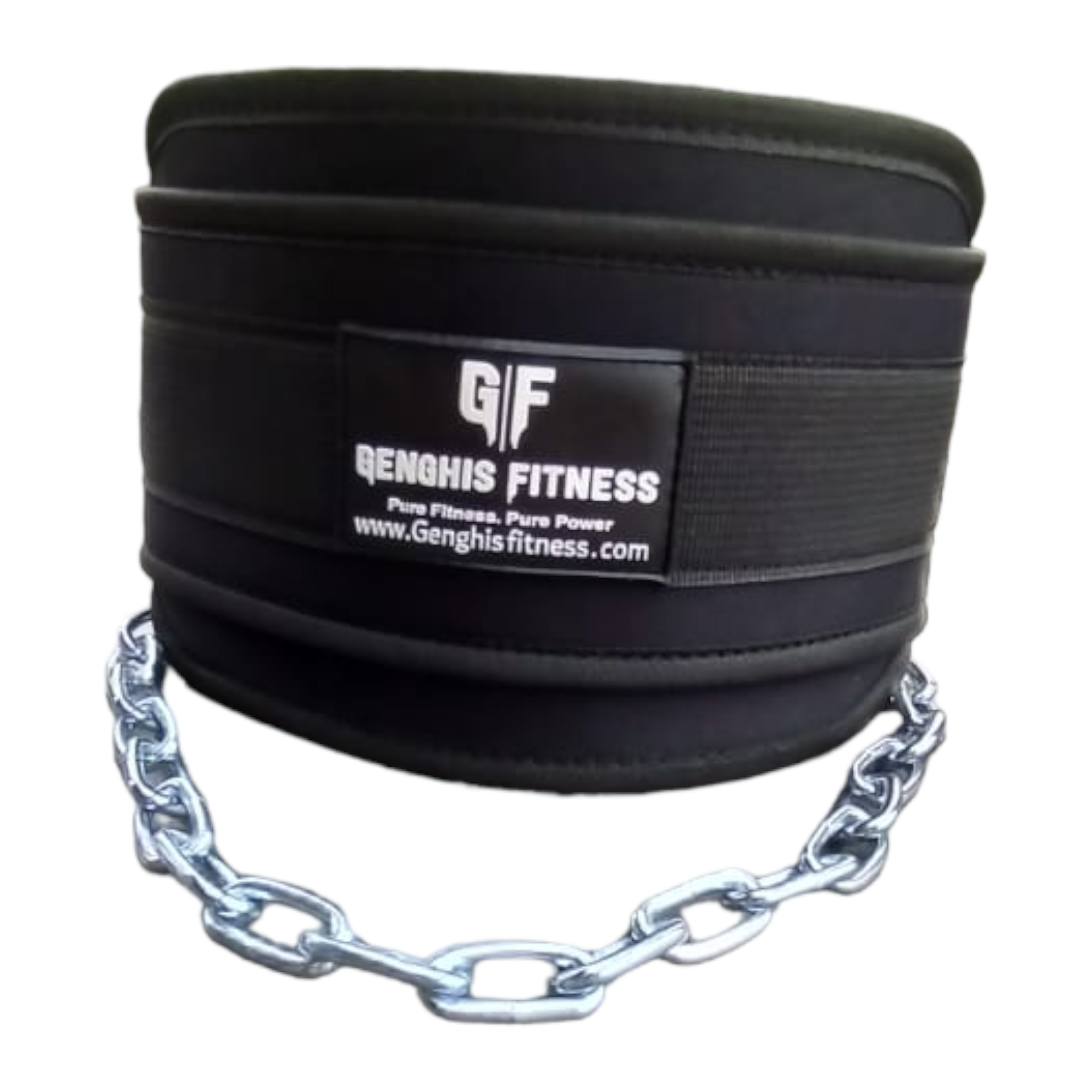
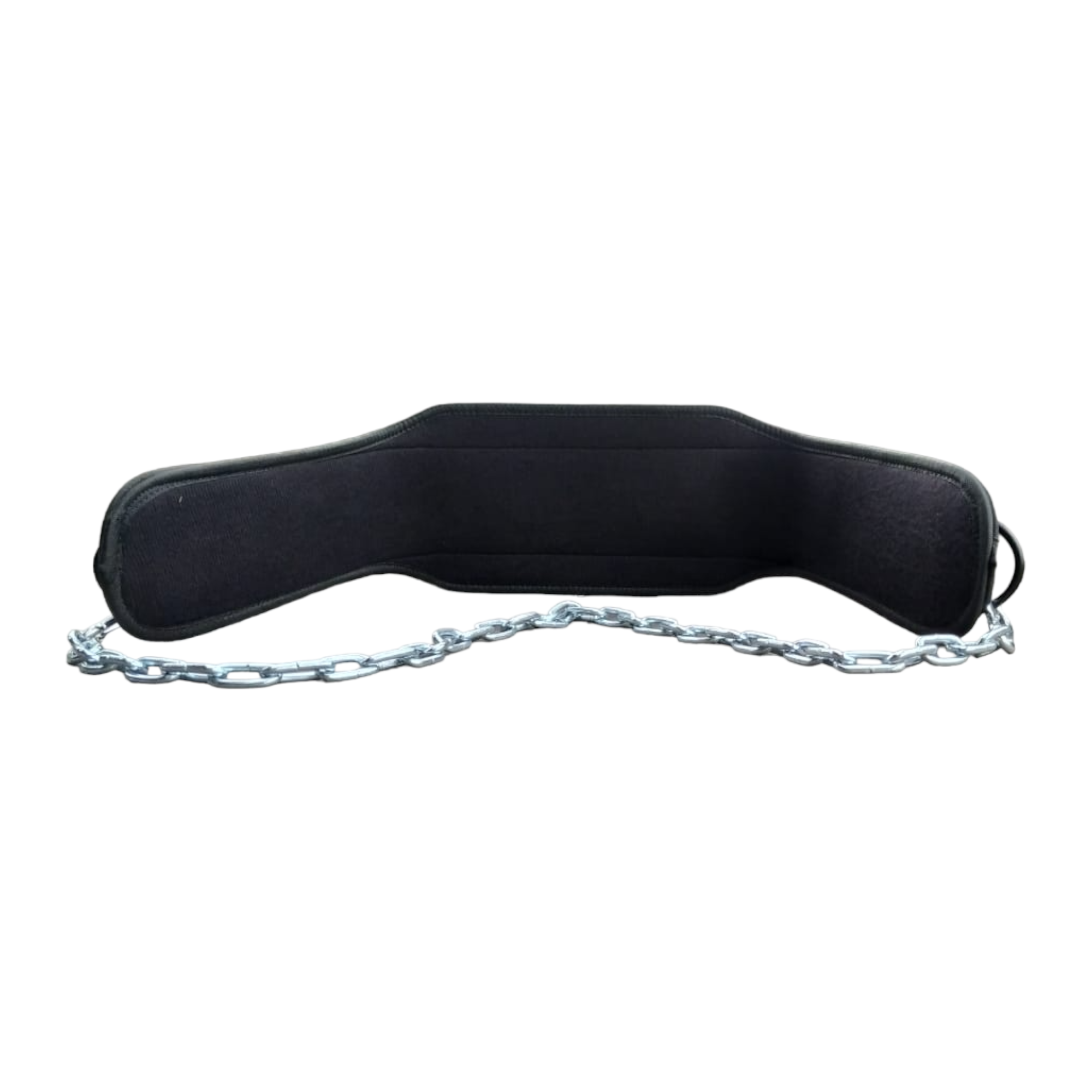
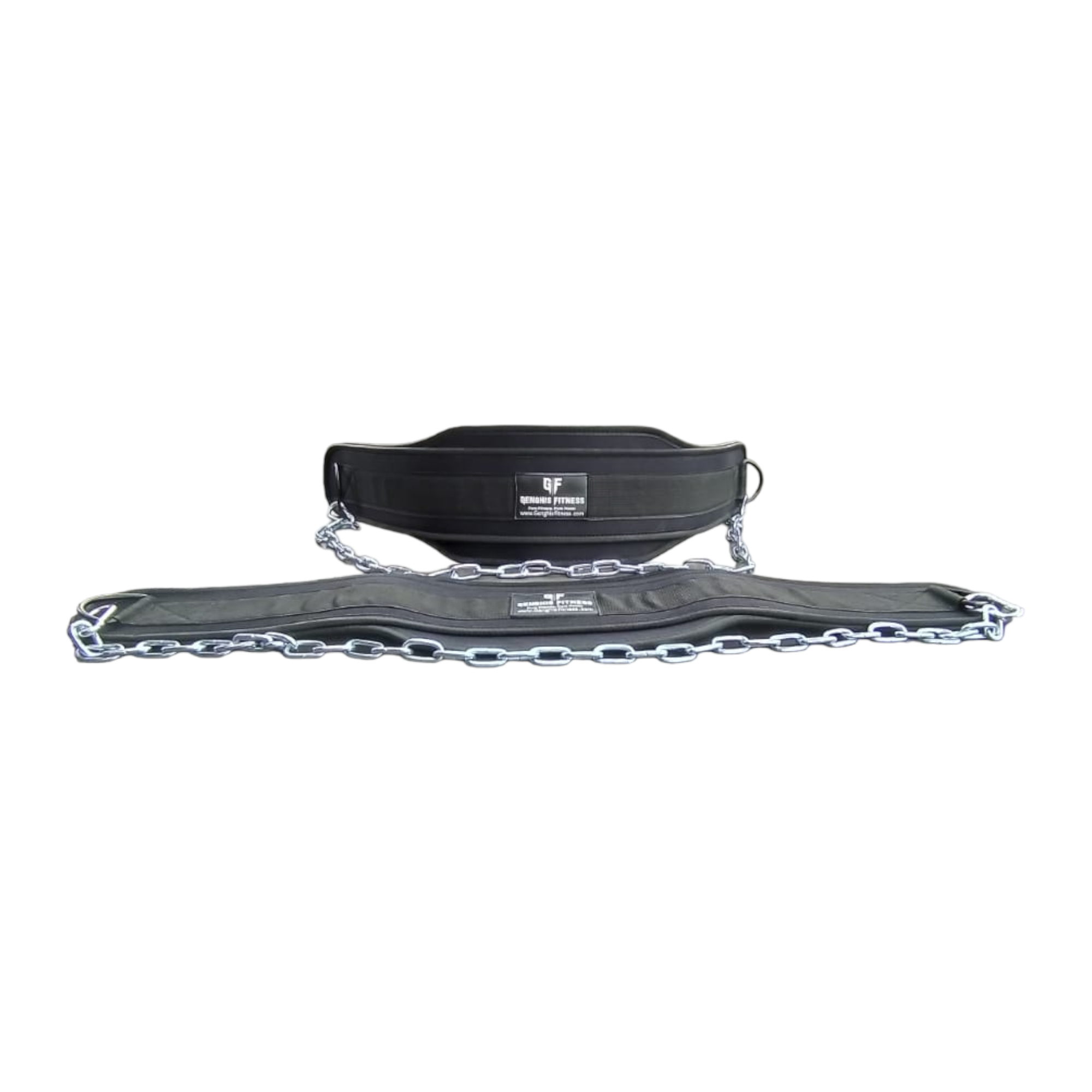
Dip Belt with Chain | 6-Inch Neoprene Support
$50.00
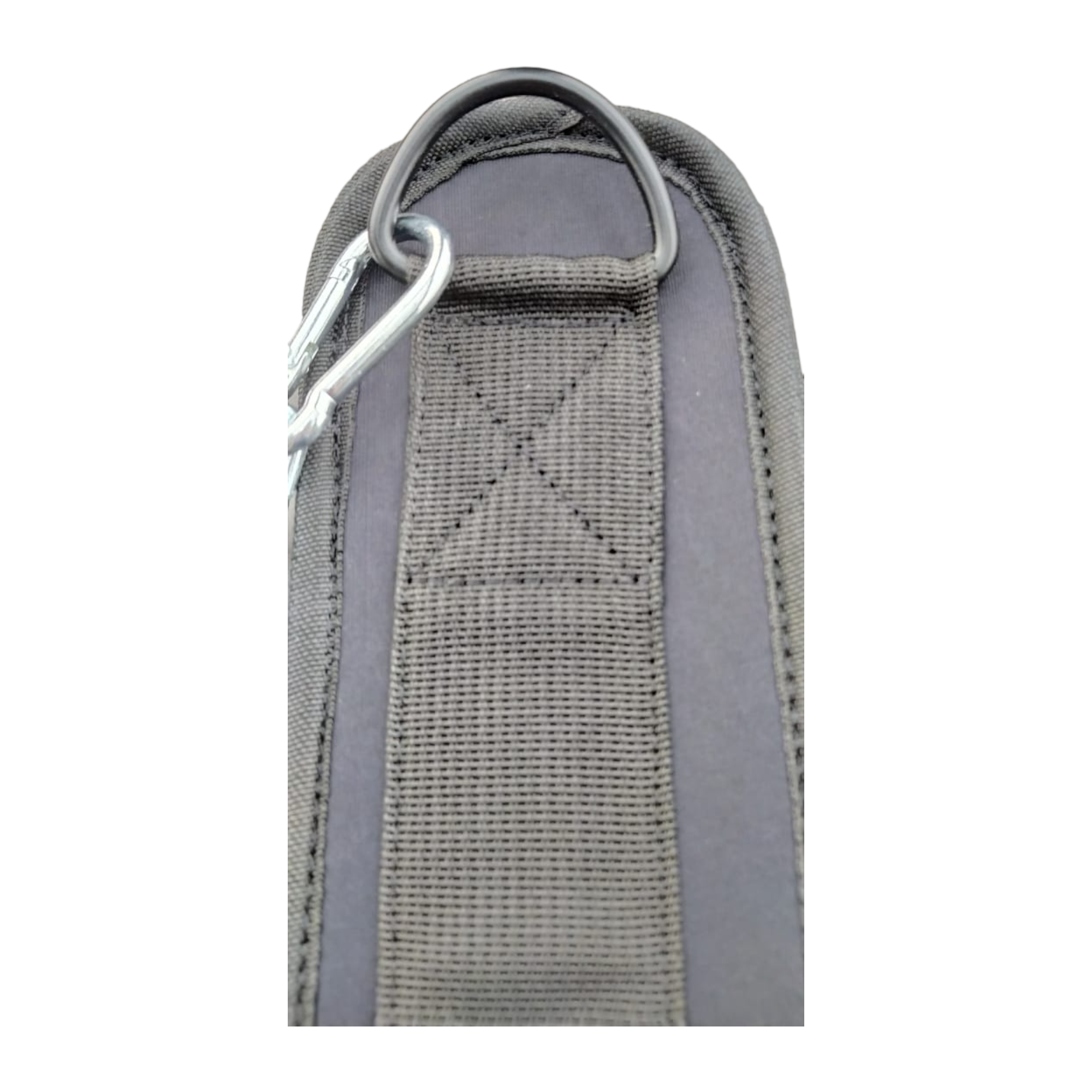
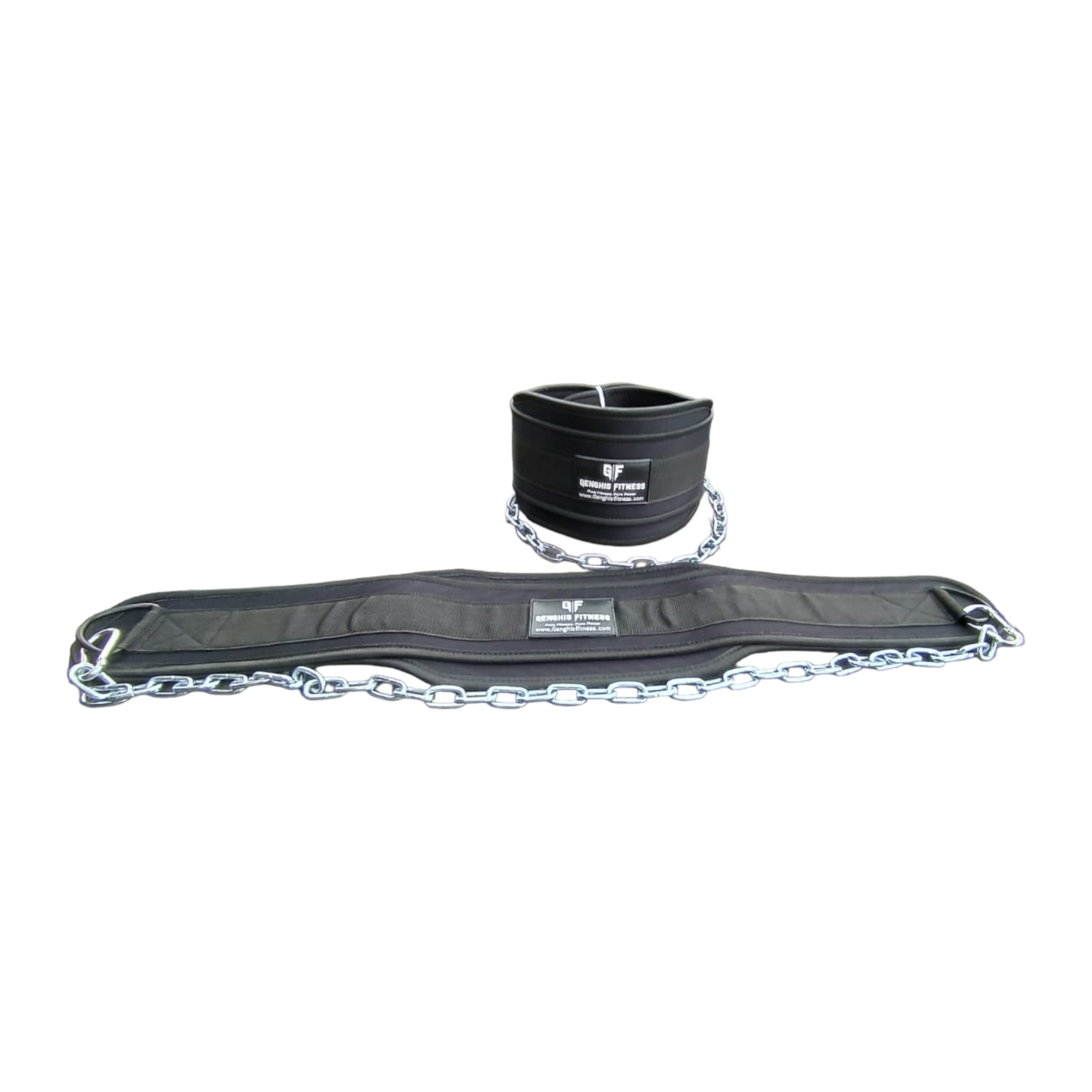
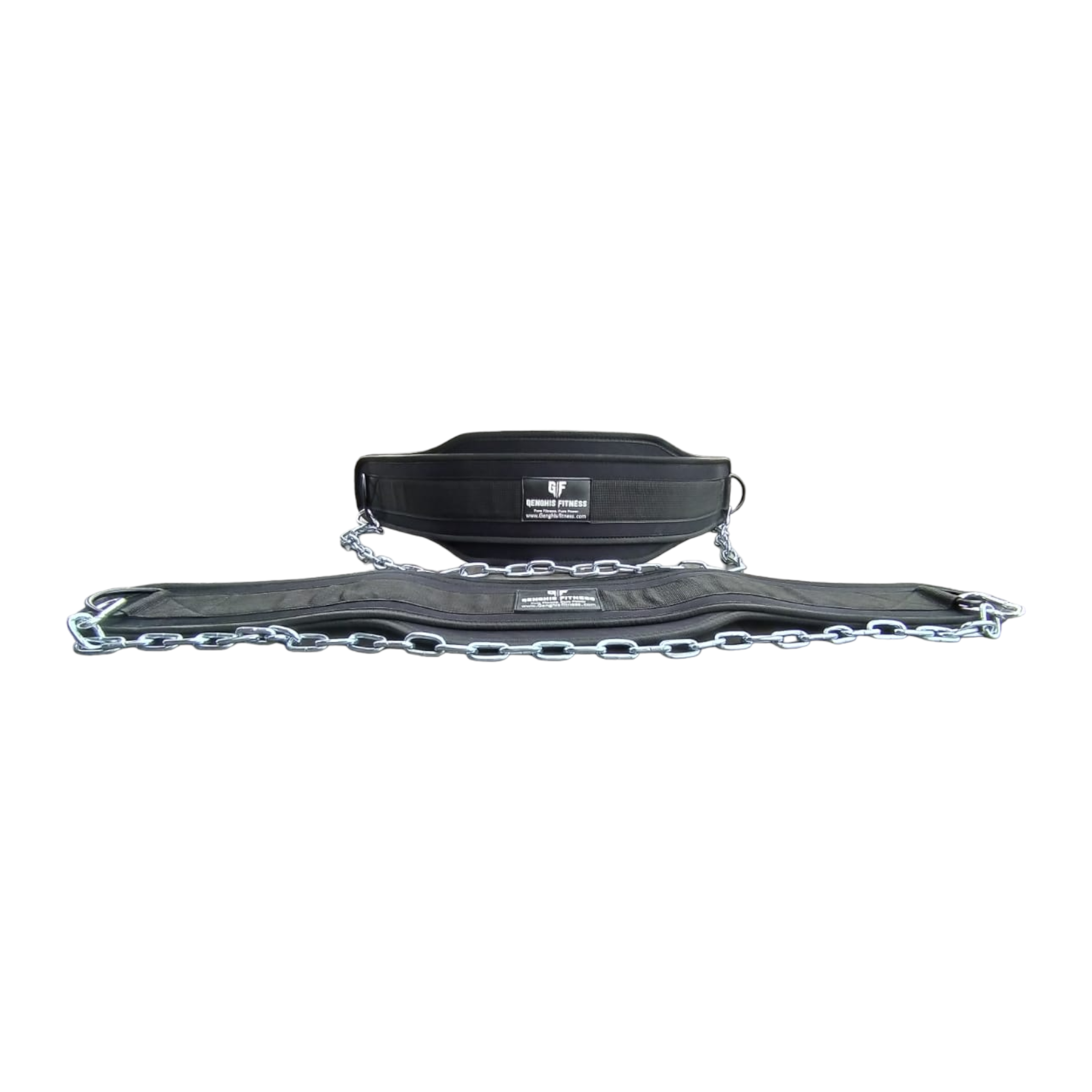
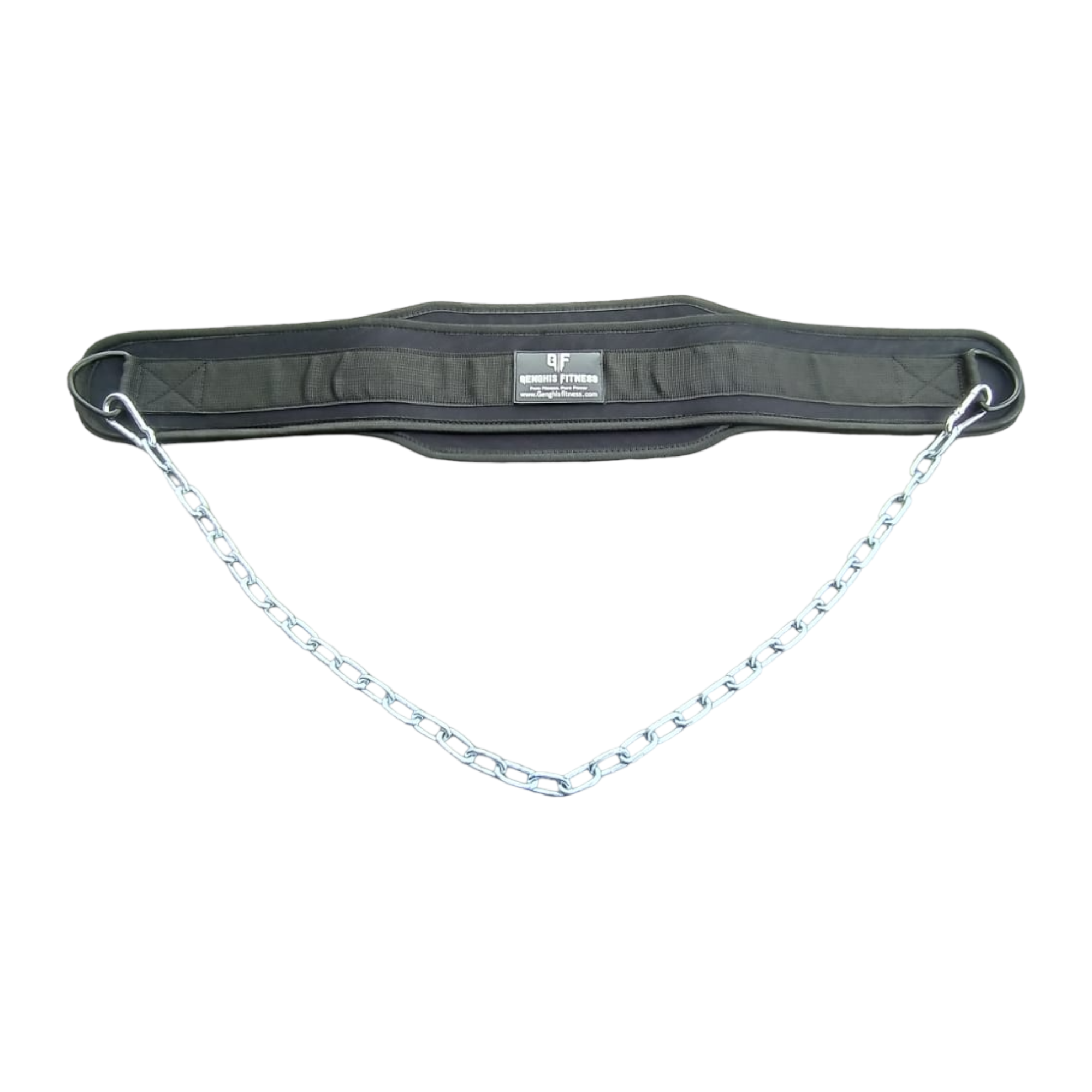
6-inch wide leather dip belt with heavy-duty chain and carabiner. Wide width distributes plate load comfortably across the hip for heavy weighted dips and pull-ups. Quick plate loading between sets.
50 in stock
Description
The Dip Belt Built For Athletes Who Have Outgrown Bodyweight
The Genghis Fitness Pro Dip Belt with Chain is a 6-inch wide neoprene belt with a heavy-duty steel chain and carabiner system for loading plates at your hips during weighted dips, pull-ups, chin-ups, and belt squats. The chain threads through a 45-pound plate, a 25-pound plate, or any combination of plates you want to load, then clips to the opposite end of the belt to hang the weight between your legs during the movement. The 6-inch width distributes the plate load across the hip rather than concentrating it at a single pressure point. The neoprene padding is firm enough to stay in place during the set and thick enough to make heavy loads comfortable.
Every bodyweight dipping and pulling athlete reaches the point where their body weight alone is no longer a sufficient training stimulus for their current level. If you can complete three sets of fifteen bodyweight dips with clean form and full range of motion, you are no longer in the beginner category for dips and your chest, triceps, and anterior shoulders are strong enough to handle external load. The dip belt is the tool that gets you from that point to the advanced pressing strength that requires sets of five with 45-plus pounds hanging from your hips.
Who Dip Belts Are For
Advanced calisthenics athletes and strength athletes who train weighted dips and weighted pull-ups as primary movements use a dip belt on every loading session. Competitive powerlifters frequently include weighted dips as a tricep-specific accessory for bench press development. The loading pattern of a dip, pressing weight from below the shoulder joint against gravity, is one of the most effective ways to build tricep mass and strength at the long head specifically, which is the tricep head most responsible for lockout strength in the bench press.
Weighted pull-ups and chin-ups with a dip belt address pulling strength in a way that lat pulldown machines do not replicate. The scapular loading pattern, the requirement to decelerate and control your bodyweight plus additional load at the bottom of each rep, and the full range of motion available in a free hanging pull-up all produce different adaptive stimulus from machine pulling. If you can do fifteen bodyweight pull-ups with clean form, you are ready for a dip belt. If you are training for a strength test that requires multiple weighted pull-ups, the dip belt is how you practice the specific movement pattern under load.
How To Load and Use The Dip Belt
Thread the chain through the center hole of the plates you are loading before you put the belt on. Standard Olympic plates with a 2-inch center hole fit the chain directly. Once the plates are threaded, put the belt around your waist with the chain hanging in front and the clasp side behind, clip the carabiner through the loose end of the chain to complete the loop, and adjust the chain length so the plates hang between your knees without touching the ground at the bottom of your dip range of motion. If the plates touch down, shorten the chain length by one or two links before your first rep.
For dips, use parallel bars or ring dips. The plates hang freely between the bars during the movement. Your first weighted dip session should use a weight that allows eight to ten clean reps with full range of motion, elbows below the shoulder at the bottom and full extension at the top without locking out aggressively. Add weight in 5-pound increments per session when you complete your target rep range comfortably with the current load.
For weighted pull-ups, the setup is identical. The chain hangs in front of you, the plates between your legs, and you pull to a bar overhead. A common mistake with heavy weighted pull-ups is losing full extension at the bottom of each rep as fatigue builds. Partial range of motion pull-ups with a dip belt are less effective and more stressful on the elbow. Control the descent to full extension on every rep regardless of the weight. If you cannot control the descent, the load is too heavy.
How To Choose Your Starting Weight and Progress
If you have never used a dip belt before, start lighter than you think you need to. Add 25 pounds for your first weighted dip session if you can currently do 12 or more clean bodyweight dips. This may feel almost trivially easy. That is correct for the first session. You are learning how the belt affects your balance and movement mechanics before the load gets heavy enough to matter. The plates hanging at your hips shift your center of mass forward and change the required body lean angle during the dip. Give yourself a session or two to calibrate that adjustment before pushing the load.
Key Specifications
- Belt width: 6 inches
- Material: Neoprene with steel chain and carabiner
- Chain fits: Standard Olympic plates with 2-inch center hole
- Best for: Weighted dips, weighted pull-ups and chin-ups, belt squats
- Start loading: 25 pounds for athletes who can do 12-plus bodyweight dips
- SKU: S5-BWCG-TMZZ
Why Buy From Genghis Fitness
Heavy-Duty Steel Chain — Rated Beyond Any Gym Loading
Steel chain with secure carabiner fits all standard 2-inch Olympic plate holes. Load capacity exceeds the practical maximum weight any athlete trains with on weighted dips.
Free Worldwide Shipping on Orders $100+ or 3+ Items
Flat rate $12 on smaller orders. Express available. Full shipping policy
30-Day Return Window — No Hassle
Not satisfied? Email [email protected] within 30 days. Refund to original payment method within 10 business days. Return policy
Built for Real Training — Not for the Shelf
Every product is designed and tested for the demands of serious strength training, powerlifting, CrossFit, and competitive athletics.
Related Guides
- Dip Belt Exercises: Complete Guide To Weighted Bodyweight Training
- Dip Belt for Powerlifters: Build Pressing Strength With Weighted Dips
- Best Dip Belt 2026: What To Look For And Which One Is Worth Buying
- Dip Belt with Chain vs. Strap: Which is Right for You?
- Dip Belt for Beginners: When to Start Adding Weight to Dips and Pull-Ups
- Best Dip Belts for 2024: Find Your Perfect Fit
Frequently Asked Questions
What is the maximum weight I can load on the dip belt?
The 6-inch neoprene belt and heavy-duty steel chain are rated for loads well above what any natural athlete will hang from a dip belt in training. In practice, the limiting factor is your ability to control the movement with the loaded plates hanging at your hips, not the belt hardware. Most advanced athletes using a dip belt for weighted dips train with 45 to 135 pounds of additional load. Athletes approaching or exceeding 200 pounds of hanging weight are at the elite end of the weighted dip training spectrum.
How do I load plates onto the dip belt correctly?
Thread the chain through the center hole of the plates you are using before putting the belt on. Standard Olympic plates with a 2-inch center hole fit the chain directly. With the plates threaded on the chain, put the belt around your waist, position the chain in front, and clip the carabiner through the loose end of the chain. Adjust the chain length so the plates hang between your knees without touching the ground at the deepest point of your dip range of motion.
Can I use the dip belt for belt squats?
Yes. The belt squat loads your hips rather than your spine, making it useful for lower body training without axial spinal loading. Set up by standing on two elevated platforms with the loaded chain hanging between them, or on the edges of a belt squat machine. The dip belt and chain create the load. Belt squats are valuable for athletes managing lower back fatigue or injury who want to maintain quad and glute training stimulus without spine-loaded barbell squats.
What starting weight is appropriate for my first weighted dip session?
If you can perform 12 or more bodyweight dips with clean form and full range of motion, start with 25 pounds for your first loaded session. This will feel easy. That is correct. You need one or two sessions at a light load to learn how the hanging plates affect your balance and movement mechanics before the load becomes heavy enough to matter. Add 5 pounds per session when you complete your target rep range comfortably with the current load.
Is the dip belt suitable for weighted chin-ups and pull-ups?
Yes. The setup for weighted pull-ups is identical to weighted dips. The loaded chain hangs in front of you between your legs while you pull to a bar overhead. Control the descent to full arm extension on every rep regardless of the weight. Partial range pull-ups under load accumulate more elbow stress than full range pull-ups and produce less stimulus for the intended muscles. If you cannot control the descent to full extension, the load is too heavy.
Dip Belt Size Guide
| Size | Waist (inches) | Waist (cm) |
|---|---|---|
| S | 24 – 30 in | 61 – 76 cm |
| M | 30 – 36 in | 76 – 91 cm |
| L | 36 – 42 in | 91 – 107 cm |
| XL | 42 – 48 in | 107 – 122 cm |
Measure your waist at navel height. The belt should sit on the hips — just above the hip bones — not the true waist. Choose the size that lets the hook-and-loop close across the middle of its adjustment range so you have room to tighten slightly when adding heavier loads.
You must be logged in to post a review.
You may also like…
Related products
-

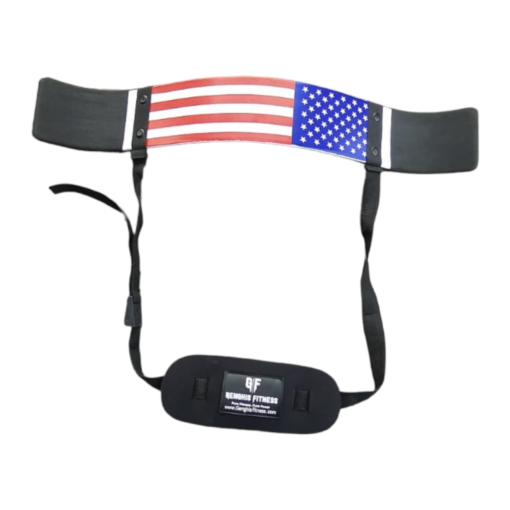
Arm Blaster for Bicep and Tricep Training
Price range: $75.00 through $100.00Select options This product has multiple variants. The options may be chosen on the product page -
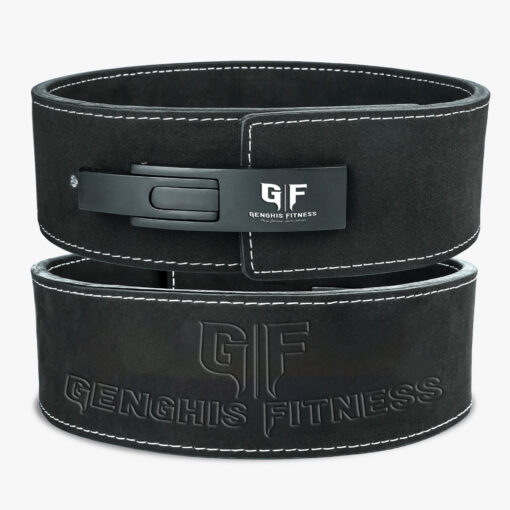
10mm Lever Belt | Full-Grain Leather Powerlifting Belt
$120.00Select options This product has multiple variants. The options may be chosen on the product page -
Wrist Wraps for Weightlifting | 12 and 18 Inch
Price range: $14.00 through $16.00Select options This product has multiple variants. The options may be chosen on the product page -
Reviews
There are no reviews yet.