HOOK MAINTENANCE: THE COMPLETE GUIDE TO CARING FOR YOUR WEIGHTLIFTING HOOKS SO THEY LAST FOR YEARS
Why Lifting Hook Maintenance Matters More Than Most Athletes Think
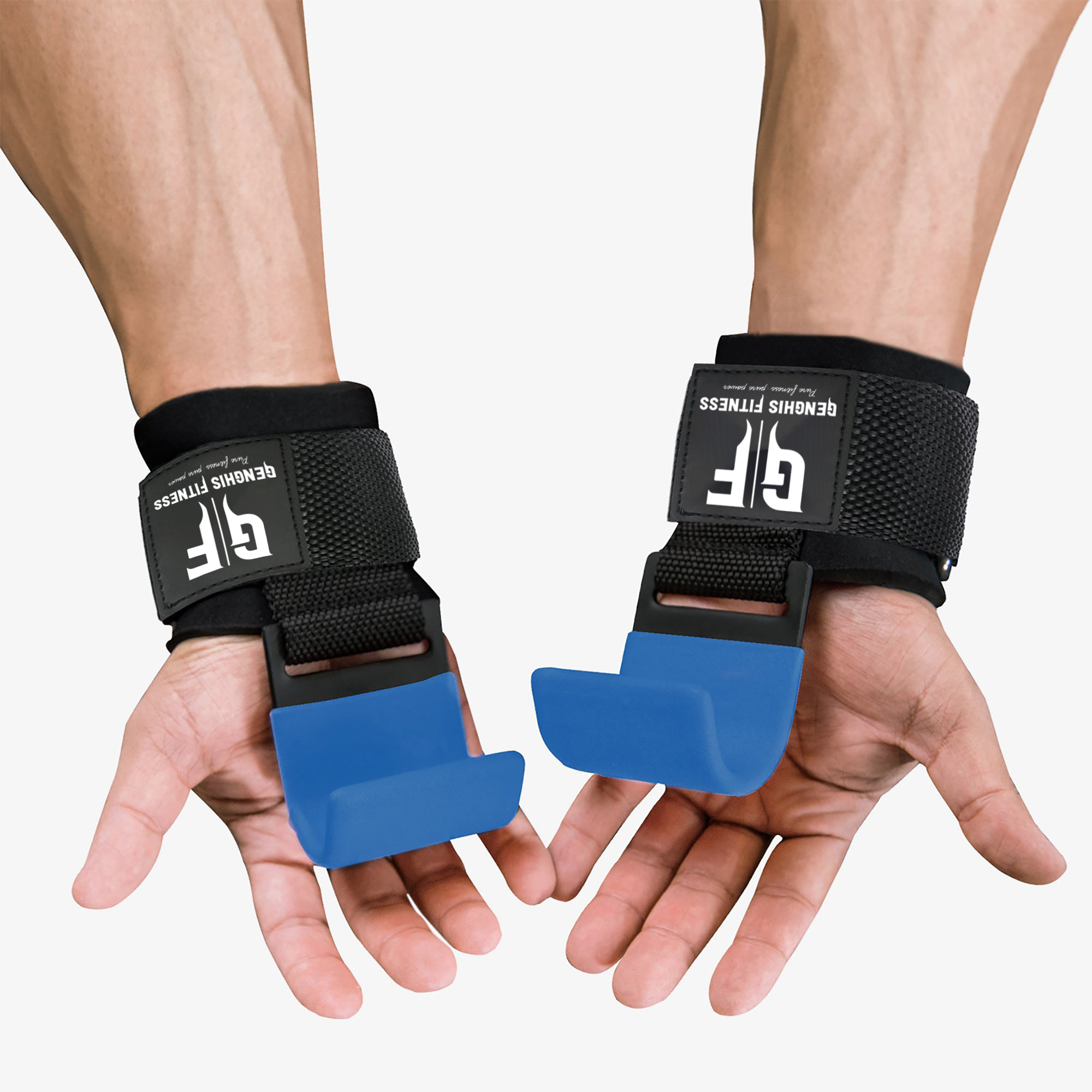
A weightlifting hook is a load-bearing piece of equipment that connects the athlete to hundreds or even thousands of pounds of weight during heavy shrugs, rack pulls, and deadlift variations. Unlike a worn-out pair of knee sleeves that simply provide less compression, a hook that fails under load drops the weight and can create a safety hazard in the training environment. Regular maintenance is not just about extending the life of the equipment. It is about ensuring the hook performs reliably at the loads where its failure would have the most serious consequences. Genghis Fitness weightlifting hooks are built from solid steel with padded wrist straps designed to handle the loads serious athletes need, and proper maintenance keeps them performing at this standard across years of consistent heavy training.
The maintenance requirements for weightlifting hooks are straightforward and take under five minutes per session when built into the post-training gear care routine. The two components that require attention are the steel hook itself and the wrist strap assembly. Each has specific care needs that, when addressed consistently, prevent the failure modes that cut the service life of neglected hooks short.
Cleaning the Steel Hook After Every Session
Removing Chalk and Sweat Residue
Chalk combined with sweat creates a mildly acidic residue on the steel hook surface that, if left to dry and accumulate over multiple sessions, accelerates surface oxidation. After every training session, wipe the hook surface with a dry cloth to remove chalk dust and sweat before they dry in place. Pay particular attention to the inside curve of the hook where bar contact occurs and where chalk and knurling debris pack most densely. This 30-second wipe takes seconds and prevents the buildup that requires more aggressive cleaning to address when left for weeks.
Preventing Rust on Bare Steel Hooks
Steel hooks without a protective coating are susceptible to surface rust in humid training environments or when stored in sweaty gym bags without drying first. After wiping down the hook, apply a light coat of machine oil, 3-in-1 oil, or even a thin layer of petroleum jelly to the hook surface every two to four weeks if training in a humid environment. This oil barrier prevents moisture from reaching the bare steel and forming the iron oxide that surface rust represents. Surface rust on a hook does not immediately compromise its structural integrity, but it does degrade the hook surface finish and, if left to progress, can eventually create stress points at pitting locations that reduce long-term durability. Treat hooks with the same care you apply to leather lifting straps and other steel training tools.
Caring for the Wrist Strap Component
Washing the Strap
The wrist strap portion of lifting hooks absorbs sweat, body oil, and chalk during every session. Hand wash the strap portion in cool water with mild detergent every two to three weeks, or more frequently if training at high volume in warm conditions. Submerge and agitate by hand for 60 seconds, rinse thoroughly until no soap residue remains in the material, then press out excess water gently without twisting or wringing the strap material. Lay flat or hang to air dry completely before storage. Never machine wash or tumble dry lifting hooks, as both the heat and the agitation can damage the stitching at the hook-to-strap attachment point and degrade the padding.
Inspecting the Hook-to-Strap Attachment
The most structurally critical junction in any weightlifting hook is the point where the steel hook attaches to the wrist strap. This attachment bears the full downward load of every pulling exercise the hooks are used for, and it is the location where failure, if it occurs, happens first. Before every heavy training session, inspect the stitching at this attachment point. Any fraying, separation, or thread pulling at this junction means the hooks should be retired before use under load. The cost of replacement is trivial compared to the consequence of a hook failure during a maximal-effort shrug or deadlift. Apply the same inspection discipline to lifting straps and all other load-bearing training accessories.
Velcro Closure Maintenance
The Velcro closure on lifting hooks requires the same chalk-clearing maintenance as the Velcro on knee sleeves and lifting belts. After every session, run a stiff brush across the hook surface of the Velcro in short strokes to dislodge chalk and fabric debris that accumulates in the hook fibers. Between uses, press the Velcro closed to prevent lint from accumulating in the loop surface. A Velcro closure that does not hold firmly allows the hook to shift position on the wrist during pulling exercises, which reduces the mechanical advantage of the hook position and can cause the hook to contact the bar at an angle rather than squarely across the knurling.
Storage to Extend Hook Service Life
Store lifting hooks in a dry location away from direct sunlight and heat sources. UV exposure degrades the wrist strap material over time, causing stiffening and eventual cracking of any synthetic or coated fabric components. Temperatures above 100 degrees Fahrenheit, easily reached in a car parked in direct summer sun, can damage both the strap material and any adhesive bonding used in padding construction. A dedicated equipment bin, shelf, or drawer in a cool room is the ideal storage location. Store the hooks with the Velcro pressed closed to protect the loop surface. Hang them or lay them flat rather than storing them compressed under other equipment, which can deform the hook geometry over extended periods. Apply the same storage discipline to wrist wraps, knee sleeves, and every other piece of training gear that earns its place in your kit through consistent use.
When to Replace Lifting Hooks: Knowing the Limits
Even well-maintained lifting hooks have a finite service life. Several conditions require immediate retirement of hooks rather than continued maintenance. The hook should be replaced if the steel shows visible cracking, bending, or permanent deformation at any point along the hook body or at the attachment point where it joins the strap. A hook that has bent under load and been straightened has been subjected to forces that exceeded its designed mechanical range and has compromised internal crystalline structure that is not restored by re-straightening. The hook should also be replaced if the wrist strap stitching at the hook attachment shows any fraying, separation, or load-bearing thread breakage. A hook that has been used for several years at very high loads may show subtle deformation at the inside curve from repeated bar contact that warrants replacement even without visible cracking, as cumulative work hardening changes the metal properties in ways that reduce the remaining service life.
For athletes training at the highest loads, shrugs above 400 pounds or rack pulls approaching and exceeding 600 pounds, inspecting hooks before each heavy session is non-negotiable. The downside risk of a failure at these loads is significant enough that the inspection time is one of the highest-return safety investments in any training session. When a hook fails the pre-session inspection, replace it before training at maximum loads. The cost of a replacement hook is trivial compared to the cost of a training interruption or injury from equipment failure under heavy load. Invest in quality Genghis Fitness weightlifting hooks built to handle the loads serious training demands, maintain them consistently, replace them when inspection reveals any failure indicator, and pair them with a lifting belt for complete spinal support on every maximal-effort pull. This combination of quality equipment, rigorous maintenance, and timely replacement is the standard that keeps heavy training safe and productive across years of consistent loading.
FINAL WORDS
Hook maintenance is a five-minute investment that protects a training tool used at the highest loads in your program. Wipe the hook after every session, oil bare steel regularly, wash the strap every few weeks, inspect the hook-to-strap attachment before every heavy session, and store away from heat and sunlight. Genghis Fitness lifting hooks maintained this way will perform reliably for years of heavy shrug, rack pull, and deadlift training. Treat your gear the way it treats you and it will be there when you need it most.
Certified strength and conditioning specialists with over 10 years of experience in powerlifting, nutrition, and evidence-based fitness content. Based in New York City.