Genghis Fitness · Nutrition and Performance
Extra Virgin Olive Oil: Health Benefits Research, Anti-Inflammatory Mechanisms, Oleocanthal Evidence, and How Much Athletes Should Use
Updated 2026 | By Team Genghis Fitness | 22 min read
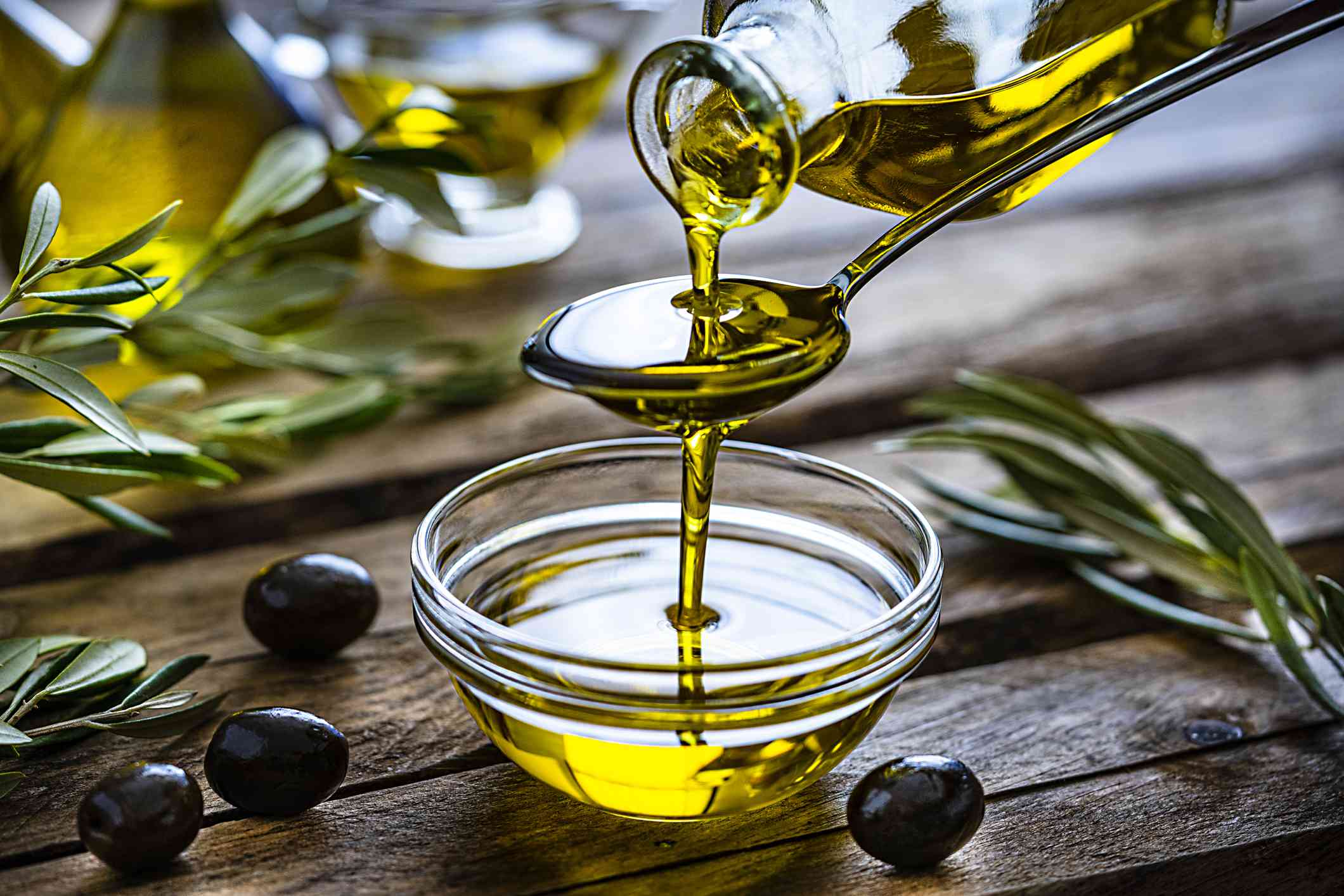
Extra virgin olive oil (EVOO) is the most extensively studied dietary fat in human nutrition research, backed by decades of clinical evidence from the Mediterranean diet literature and more recent mechanistic research on its specific bioactive compounds. The health benefits of EVOO extend well beyond its macronutrient profile of predominantly monounsaturated fat: the polyphenol content, particularly oleocanthal and oleuropein, produce anti-inflammatory effects that have been compared in some research to low-dose ibuprofen. For athletes managing inflammation, cardiovascular health, and long-term health alongside performance, EVOO is among the most evidence-supported food investments available.
The Oleocanthal Discovery: Natural Anti-Inflammatory
Oleocanthal is a phenolic compound found exclusively in extra virgin olive oil that inhibits both COX-1 and COX-2 enzymes, the same enzymes targeted by ibuprofen and aspirin. Research published in Nature first characterised oleocanthal’s ibuprofen-like anti-inflammatory activity, finding that the amount of oleocanthal in approximately 50 mL of high-quality EVOO produced an equivalent anti-inflammatory effect to approximately 10 percent of the standard adult ibuprofen dose. While this is not a replacement for pharmaceutical anti-inflammatory therapy when needed, it represents a meaningful chronic anti-inflammatory contribution from a daily dietary habit. Athletes who consume EVOO regularly as their primary cooking and dressing fat receive this anti-inflammatory benefit as part of their normal diet without additional supplementation cost.
Cardiovascular Benefits: The PREDIMED Evidence
The PREDIMED (Prevencio con Dieta Mediterranea) trial is the most significant single study of EVOO’s health effects. Published in the New England Journal of Medicine, PREDIMED randomised over 7,000 adults at high cardiovascular risk to a Mediterranean diet supplemented with extra virgin olive oil, a Mediterranean diet supplemented with nuts, or a low-fat control diet. The EVOO group had a 30 percent reduction in major cardiovascular events (heart attack, stroke, cardiovascular death) compared to the low-fat control over approximately 5 years. This is among the strongest evidence for a dietary intervention reducing hard cardiovascular endpoints ever published, establishing EVOO as a cornerstone of evidence-based cardiovascular nutrition.
The mechanisms behind EVOO’s cardiovascular benefits are multiple: oleic acid reduces LDL oxidation, polyphenols improve endothelial function and reduce arterial stiffness, and oleocanthal reduces platelet aggregation and systemic inflammation that drives atherosclerotic plaque progression. For strength athletes focused on performance but aware that cardiovascular disease is the leading cause of death even in active populations, incorporating EVOO as the primary dietary fat is a high-impact cardiovascular health strategy. The complete cardiovascular health picture for athletes is in our VO2 max and cardiovascular health guide.
Quality Matters: Choosing and Using EVOO
Not all olive oil labelled as extra virgin is equal in polyphenol content. The oleocanthal and oleuropein concentrations that produce the documented health effects are highest in fresh, high-quality EVOO stored correctly and used within 12 to 18 months of pressing. Indicators of quality EVOO: harvest date on the label (not just bottling date), dark glass or tin container, peppery throat sensation when tasting (this pungency is the oleocanthal), and sourcing from reputable producers with third-party certification.
EVOO is stable at moderate cooking temperatures (up to approximately 180 to 200 degrees Celsius) despite myths about its low smoke point. Research published in Acta Scientific Nutritional Health found that EVOO was more oxidatively stable than many seed oils at cooking temperatures, retaining its polyphenol content better than commonly believed. Using EVOO for low to medium heat cooking, dressings, and finishing dishes preserves the maximum polyphenol content while providing the cardiovascular and anti-inflammatory benefits across a wide range of culinary applications.
Frequently Asked Questions
How Much EVOO Should Athletes Consume Daily?
The PREDIMED trial used approximately 50 mL (about 4 tablespoons) of EVOO per day as the supplemental intervention, and this dose produced the documented cardiovascular benefits. For athletes, 2 to 4 tablespoons of EVOO daily as a primary fat source provides the oleocanthal dose associated with anti-inflammatory effects and the polyphenol intake associated with cardiovascular benefits. At approximately 120 calories per tablespoon, EVOO is calorie-dense, so athletes in caloric restriction phases should account for it in their daily caloric budget. Athletes in caloric surplus phases for muscle building can liberally include EVOO without concern about caloric displacement of more important macronutrients.
Is EVOO Better Than Other Healthy Fats?
EVOO is the best-evidenced dietary fat for cardiovascular protection and anti-inflammatory activity, but it is not the only valuable fat for athletes. Omega-3 fatty acids from fatty fish are the primary fat for anti-inflammatory effects that reduce exercise-induced inflammation and support brain health. Avocado provides similar monounsaturated fat with additional fibre, potassium, and B vitamins. A diet that includes EVOO as the primary cooking and dressing fat, alongside regular fatty fish consumption for omega-3s and whole food fat sources like avocado and nuts, covers the evidence-based dietary fat requirements comprehensively.
Eat the Evidence. Reduce Inflammation. Build for the Long Term.
The best-evidenced dietary fat meets quality gear for the long-term athlete.
Shop Lifting Belt Shop Knee SleevesOlive Oil For Hormone Optimization And Joint Health In Strength Athletes
Extra virgin olive oil is one of the most extensively researched dietary fats in nutrition science, with the bulk of evidence drawn from Mediterranean population studies and controlled intervention trials. For strength athletes, the most directly relevant findings relate to testosterone optimization, systemic inflammation, and joint health. The monounsaturated fatty acids in olive oil, primarily oleic acid, provide the fat-soluble substrate that steroid hormone synthesis requires. Dietary fat restriction, particularly restriction of the high-quality fat sources like olive oil, is associated with lower testosterone levels in male athletes, and fat restoration consistently increases testosterone in studies where it was previously restricted. This does not mean drowning every meal in olive oil will maximize testosterone, but it does mean that athletes running chronically low-fat diets for body composition reasons may be suppressing their hormonal environment in ways that impair training adaptation.
The oleocanthal compound in high-quality extra virgin olive oil acts as a natural COX-1 and COX-2 inhibitor with a mechanism similar to ibuprofen, though at much lower potency per dose. Regular consumption of high-phenol olive oil provides a mild, continuous anti-inflammatory effect that may reduce the chronic low-grade inflammation that accumulates with years of heavy training. Research published in the European Journal of Nutrition documented measurable reductions in C-reactive protein and other inflammatory markers in subjects who replaced refined vegetable oils with extra virgin olive oil over twelve weeks, without other dietary changes.
Quality Markers And How To Avoid Adulterated Products
A significant proportion of commercially sold extra virgin olive oil in the United States does not meet the chemical standards for true extra virgin classification, according to research from UC Davis examining supermarket olive oils. Common adulterations include blending with cheaper refined oils, using oils past their freshness window, and incorrect storage during distribution that oxidizes the product before it reaches consumers. The practical indicators of quality olive oil are: harvest date clearly printed on the label rather than just a best-by date, a dark glass or tin container that blocks light oxidation, a fresh grassy or peppery flavor without mustiness or waxy off-notes, and a pungent throat sensation from the high oleocanthal content of freshly processed high-phenol oils. Choosing oils with a harvest date within the past 12 to 18 months and storing them in a cool, dark location ensures the polyphenol content that drives the health benefits is actually present in the product you are consuming.
Certified strength and conditioning specialists with over 10 years of combined experience in powerlifting, nutrition coaching, and evidence-based fitness content. Based in New York City, the Genghis Fitness team tests every protocol in the gym before writing about it.